Car Rust Repair vs Panel Replacement: A Guide for NZ Drivers
Struggling with car rust in New Zealand? Learn when to choose rust repair over panel replacement, costs, and how our coastal climate affects your vehicle.
The New Zealand Context: Why Our Cars Rust
In New Zealand, we don't just deal with rain; we deal with salt air. With most Kiwis living within 50km of the coast, salt spray is a silent killer for vehicle bodywork. When salt settles on your car, it accelerates the oxidation process, turning minor scratches into bubbling rust spots faster than in many other parts of the world.
Beyond the coast, councils in the South Island often use grit and salt on icy roads during winter. This mixture gets trapped in wheel arches and undercarriages, leading to structural rust that can cause an automatic WoF (Warrant of Fitness) failure if left untreated.
Rust Repair vs Panel Replacement: How to Decide
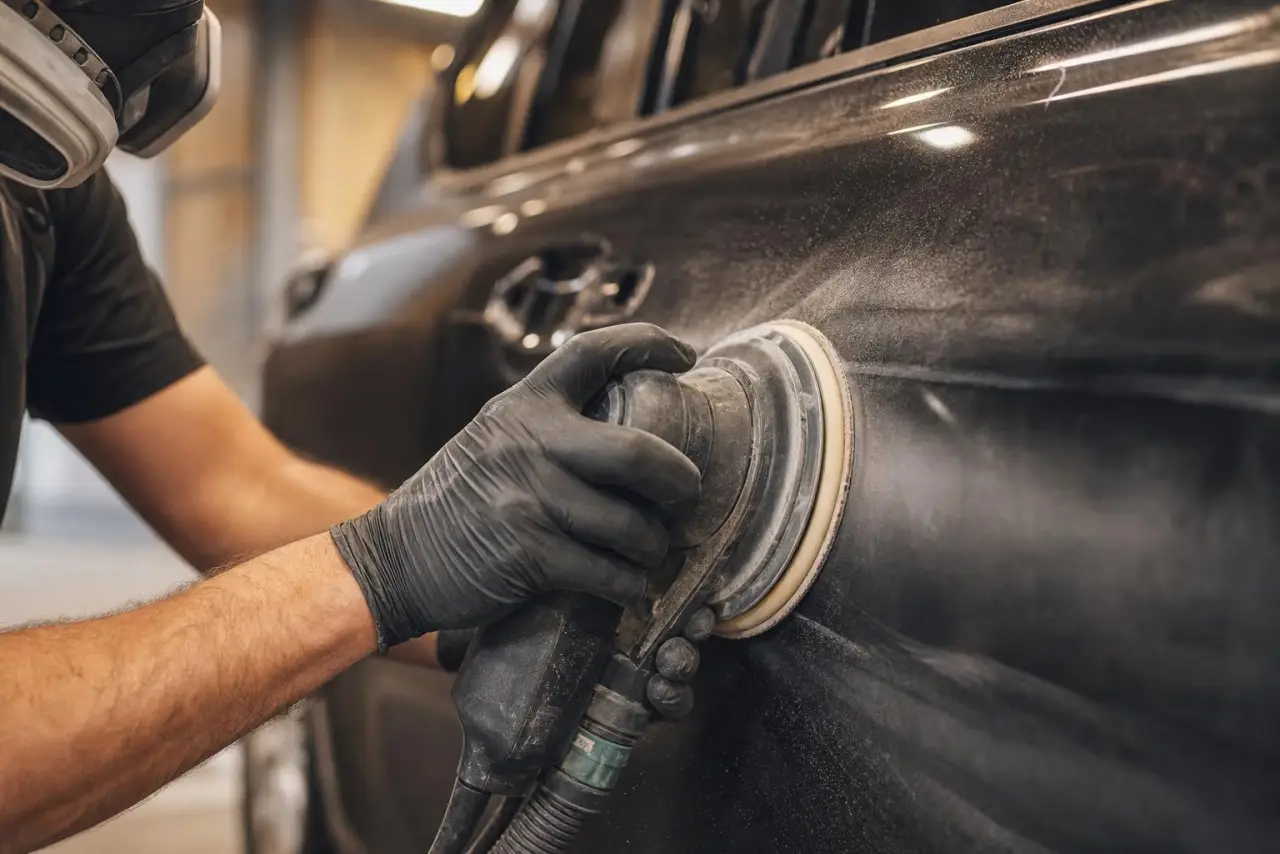
The decision between a panel rust fix and a full replacement usually comes down to 'surface' versus 'structural' damage. If you have surface rust—minor bubbling where the metal is still solid underneath—a professional rust removal car NZ service can usually grind it back, treat it with a rust converter, and respray the area.
However, if the rust has 'eaten through' the metal (perforation), or if it is located on a structural pillar or a door edge seam, replacement is often the safer and more cost-effective option. In modern cars, some panels are made of high-strength steel that cannot be easily patched without compromising the vehicle's crumple zones.
Cost Comparison for Kiwi Drivers
Car rust repair NZ costs vary significantly based on the location of the damage. A small surface repair on a fender might cost between $300 and $600 including paint blending. This is often cheaper than buying a new panel, especially if the part needs to be shipped from overseas.
On the other hand, if you can find a second-hand panel in the same color from a local wrecker, rust panel replacement might actually be cheaper than paying for several hours of intensive labor to cut out and weld new metal onto an old panel. Always get a quote for both options from your local panel beater.
Preventing the Return of the Red Dust
Once you have invested in a repair, you need to protect it. Regular washing is your first line of defense, especially under the chassis. For those living in coastal areas like Auckland, Tauranga, or Wellington, applying a high-quality wax or a ceramic coating can provide a barrier against salt air.
Consider an underbody rust protection spray if you frequently drive on beaches or salted alpine roads. Addressing stone chips immediately with touch-up paint is also crucial to prevent moisture from getting under the clear coat and starting the oxidation cycle.
Choosing the Right NZ Repairer
Not all panel beaters specialize in rust. When searching for a provider, ask if they provide a guarantee on rust repairs. Because rust can be like a 'cancer' that returns if a single microscopic spore is left behind, you want a technician who uses high-quality zinc-rich primers and proper cavity waxes.
Check that the repairer follows I-CAR standards or is an MTA assured member. This ensures that any welding or panel replacement maintains the structural integrity and safety ratings of your vehicle.
Frequently asked
Will rust on my car cause it to fail a WoF?+
Yes, if the rust is within 150mm of a structural point (like suspension or seatbelt mounts) or if it has created a hole, it will result in an immediate Warrant of Fitness failure in New Zealand.
Is it worth fixing rust on an older car?+
It depends on the vehicle's market value versus repair costs. If the repair costs more than 50% of the car's value, it may not be economical unless the car is a classic or has sentimental value.
How long does a professional rust repair last?+
A professional repair that involves cutting out the old metal and welding in new steel can last the life of the car. However, simple 'grind and fill' repairs may only last 2-5 years depending on exposure to coastal salt.