ADAS Calibration: Why Your Car Needs It After a Crash
Essential guide to ADAS calibration for NZ drivers. Learn why sensor recalibration is mandatory after collision repairs to keep your safety systems working.
What is ADAS and Why Does it Matter?
Advanced Driver Assistance Systems, or ADAS, are the electronic 'guardian angels' in your vehicle. If you drive a car manufactured after 2015 in New Zealand, you likely use ADAS features every day without thinking about it. These include autonomous emergency braking (AEB), lane keep assist, blind-spot monitoring, and adaptive cruise control.
These systems rely on a sophisticated array of cameras, radar sensors, and ultrasonic sensors mounted behind your windscreen, inside your bumpers, and in your side mirrors. For these systems to work, they must 'see' the road with absolute precision. Even a tiny misalignment of a sensor can lead to a system failure or, worse, an incorrect intervention while you are driving.
Why Calibration is Mandatory After Collision Repair
In the past, fixing a car after a fender bender was mostly about panel beating and paint. Today, collision repair is a high-tech process. If a bumper is removed to fix a dent, or a windscreen is replaced after a chip, the sensors attached to those parts are disturbed. Even a shift of just one millimetre can translate to being metres off-target when the car is scanning the road ahead.
ADAS calibration is the process of resetting these sensors to the manufacturer's original specifications. In New Zealand, reputable repairers follow strict OEM (Original Equipment Manufacturer) guidelines. Skipping this step means your lane assist might pull you toward oncoming traffic, or your emergency braking might not activate when you actually need it.
Static vs Dynamic Calibration: What's the Difference?
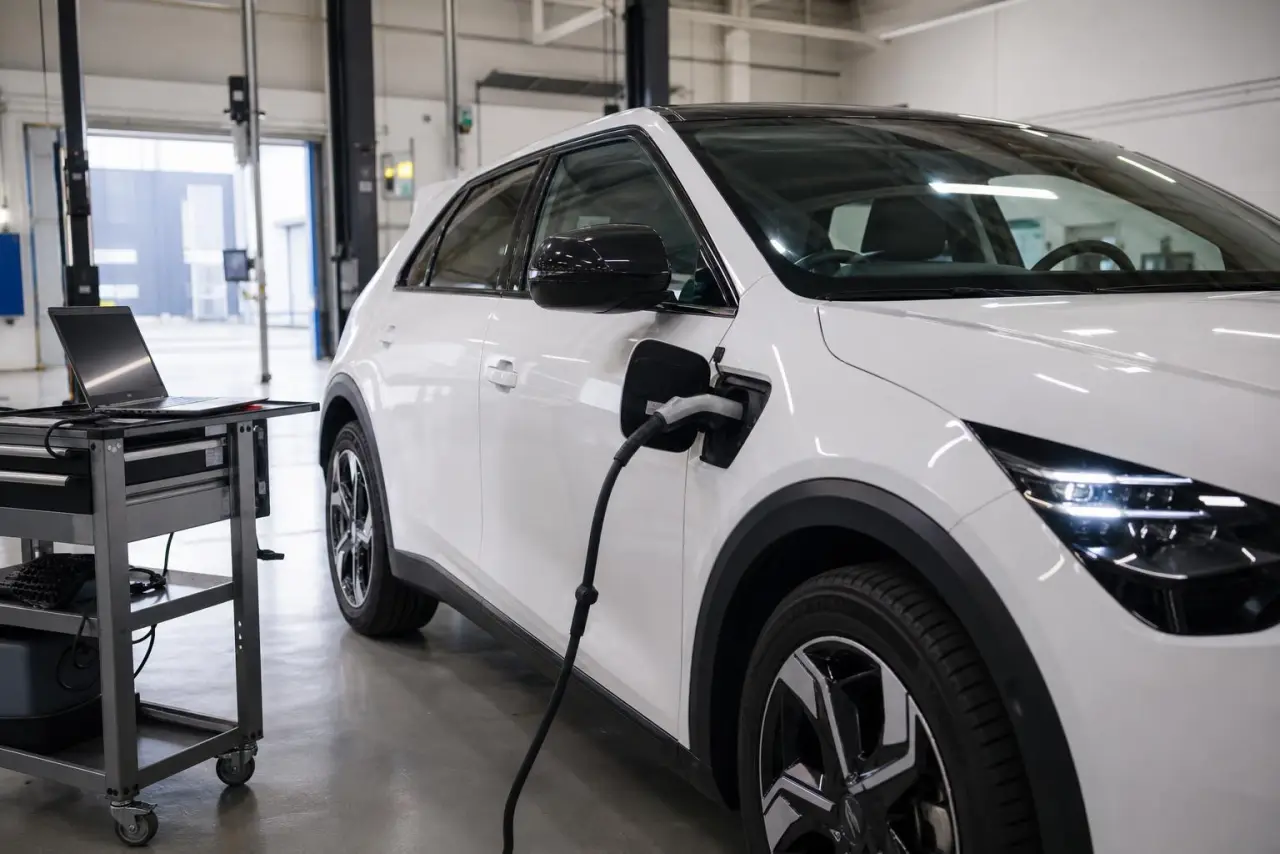
Depending on your vehicle make and model, your repairer will perform either static or dynamic calibration—or sometimes both. Static calibration takes place in a specialised workshop environment. It involves using high-tech targets, lasers, and level floors to align cameras and radar while the car is stationary.
Dynamic calibration requires the vehicle to be driven on the road at specific speeds under certain weather conditions. The car's onboard computer 'learns' the environment by identifying road markings and stationary objects. Because New Zealand weather can be unpredictable, dynamic calibration can sometimes take longer if the road conditions aren't perfect for the sensors to lock on.
Cost and Time Factors for Kiwi Drivers
Adding ADAS calibration to a collision repair does increase the timeframe and the cost. A standard calibration can take anywhere from two to four hours, depending on the complexity of the vehicle. You should expect this to be a standard line item on your insurance quote if your vehicle has modern safety features.
While it might seem like an extra expense, most New Zealand insurance policies cover ADAS recalibration as a necessary part of a safe repair. It is a non-negotiable step for certifying that a vehicle is roadworthy and safe to return to your family.
Finding a Qualified ADAS Repairer in NZ
Not every panel shop in NZ has the expensive equipment or the specialised training required for ADAS calibration. When choosing a repairer, ask if they perform in-house calibrations or if they outsource to a specialist. It is vital to ensure they provide a 'Calibration Certificate' or a digital report once the job is finished.
Choosing an MTA-assured repairer or a manufacturer-approved collision centre is the best way to ensure your car's safety tech is handled by professionals who understand the specific requirements of NZ road safety standards.
Frequently asked
Does my car need ADAS calibration after a windscreen replacement?+
Yes. Most modern cars have a forward-facing camera mounted to the windscreen. When the glass is replaced, the camera's angle resets, necessitating a professional recalibration to ensure lane assist and emergency braking work correctly.
Can I drive my car if the ADAS sensors are not calibrated?+
It is not recommended. If sensors are misaligned, the safety systems may provide false warnings or fail to intervene during an emergency. Your dashboard may show a warning light, or the systems may simply be inaccurate, posing a safety risk.
Is ADAS calibration covered by car insurance in New Zealand?+
In almost all cases, yes. If the calibration is required as part of a repair for a covered accident, NZ insurers recognise it as a mandatory safety requirement and will cover the costs of the procedure.