Leased or Financed Car Repair: A Guide for NZ Drivers
Understand your obligations for panel beating and collision repair on leased or financed vehicles in New Zealand to avoid end-of-lease penalties.
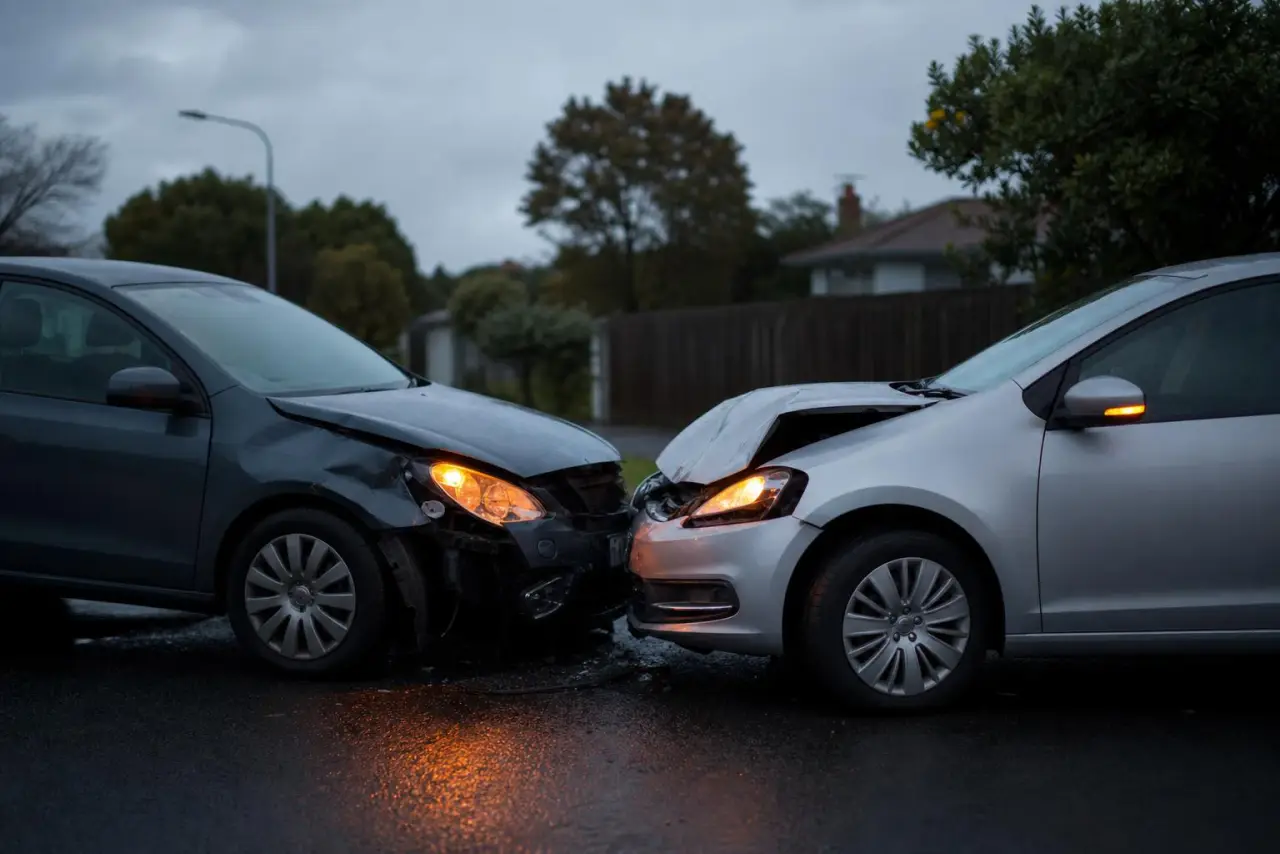
Understanding Your Repair Obligations in NZ
When you drive a leased or financed vehicle in New Zealand, you don't technically own the car outright until the final payment is made. This means the finance company or leasing provider has a vested interest in the vehicle's resale value and structural integrity.
Most NZ lease agreements include a 'fair wear and tear' clause, but collision damage and significant dents fall outside of this. You are contractually obligated to return the vehicle in a condition that reflects professional repair standards. Ignoring a small dent now could lead to a massive bill when your lease term ends.
The OEM Parts Requirement
One of the biggest traps for Kiwi drivers with financed car collision repair is the use of aftermarket parts. Many lease agreements specify that any panel beating must be completed using Original Equipment Manufacturer (OEM) parts.
While non-genuine parts might be cheaper, they can void your vehicle's warranty and lead to a breach of your finance contract. Always check your agreement before a repairer starts work to ensure they are using parts that meet the manufacturer's exact specifications.
Choosing the Right Panel Beater for Your Finance Company
Not all panel beaters are created equal, especially when dealing with high-value leased assets. You should look for a repairer that is 'Manufacturer Approved' for your specific make of car.
In New Zealand, many leasing companies have a preferred network of repairers. Using an unapproved shop might result in the work being rejected during an end-of-lease inspection, forcing you to pay for the repair twice. Communication with your finance provider is key before signing off on any work.
Insurance and Your Financed Vehicle
If your leased vehicle is involved in a crash, your first call should be to your insurer, followed by your leasing company. Because the car is a financed asset, the 'interested party' (the lender) will be listed on your policy.
In the event of a total loss, the insurance payout goes to the finance company first. If the payout is less than what you owe, you may be liable for the 'gap'. This makes high-quality repairs even more vital to maintain the car's peak market value.
The End-of-Lease Inspection Process
As your lease comes to an end, the vehicle will undergo a rigorous inspection. Inspectors look for mismatched paint colours, poor panel gaps, and substandard structural repairs.
To avoid 'reconditioning charges', ensure you have all documentation for any panel beating work performed during the lease term. Professional receipts and proof of OEM parts usage are your best tools for a smooth handover.
Frequently asked
Can I choose my own panel beater for a leased car in NZ?+
It depends on your contract. While many insurers allow 'choice of repairer', your lease agreement may require you to use a manufacturer-approved facility to maintain the vehicle's value.
What happens if I don't repair a dent before the lease ends?+
The leasing company will charge you for the repair at their own rates, which are often significantly higher than if you had arranged the panel beating yourself through an independent shop.
Do I have to use genuine parts for financed car collision repair?+
Most NZ finance and lease companies require 'Genuine OEM parts' to ensure the car's safety rating and resale value remain intact. Using aftermarket parts can lead to financial penalties.